Where to Watch Sumo Wrestling in Japan: Stables, Shows, and Matches
Most travelers think seeing a bout requires booking months ahead for a grand stadium seat, but figuring out where to watch sumo wrestling in japan really comes down to what calendar month you happen to land in Tokyo or Osaka. The sport runs on an ancient rhythm. Some weeks the entire professional roster disappears to Nagoya or Fukuoka, leaving Tokyo's famous Ryogoku district almost completely quiet. Other times, you can stumble into a neighborhood training hall before breakfast and stand three feet from a 320-pound wrestler slamming into a wooden post.
You essentially have three ways to see sumo in Japan. You can attend an official 15-day Grand Tournament, slip into a morning practice session at an active stable, or book a theatrical dinner show run by retired professionals. Each offers a completely different vibe, and picking the right one saves you from paying 14,000 yen for an experience you didn't actually want.
Book your sumo wrestling kyoto experience:
Grand Tournaments: Where to Watch Sumo Wrestling in Japan During Basho Season
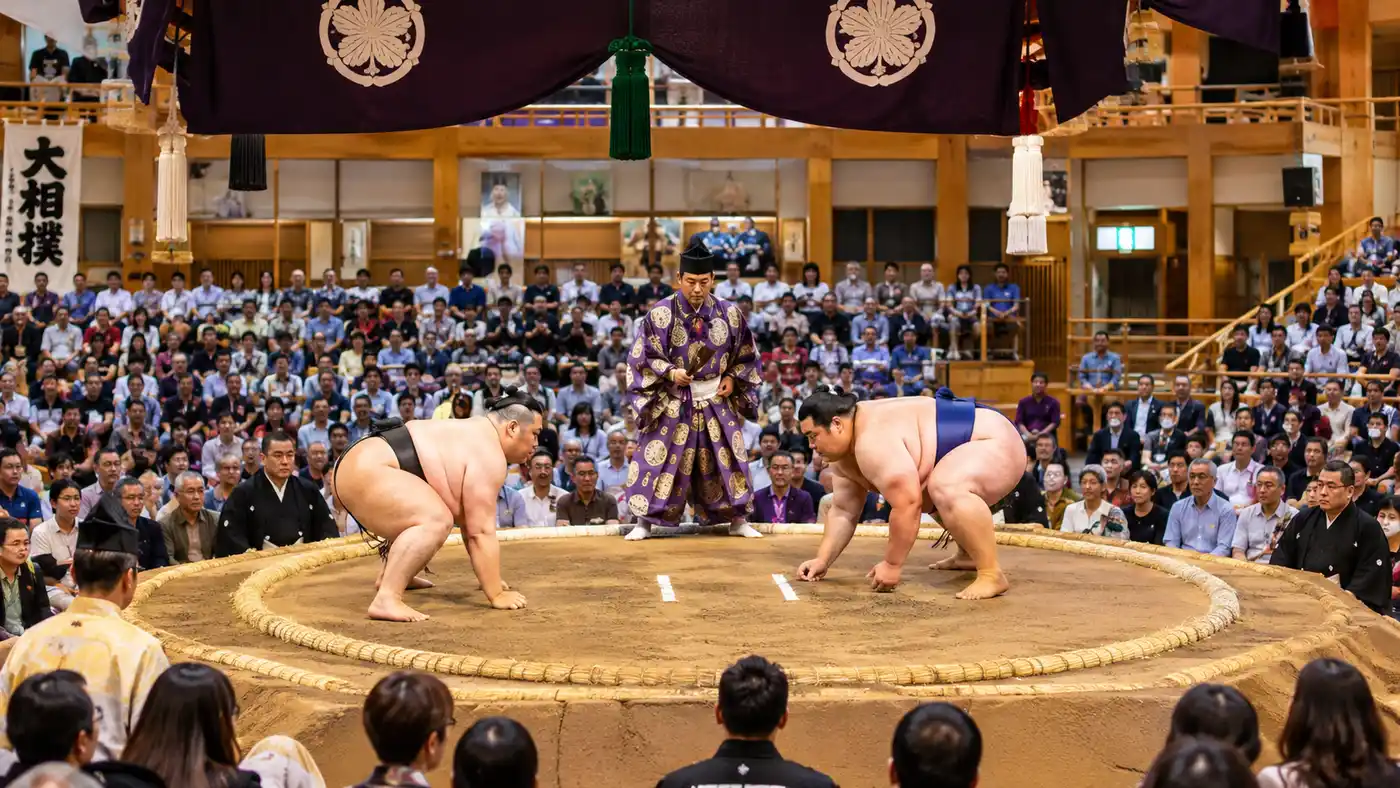
If you want the real deal with pomp, salt-throwing, and roaring crowds, you need an official tournament match. Professional sumo holds six grand tournaments - known as honbasho - each year. Tokyo hosts three of them in January, May, and September at the historic Ryogoku Kokugikan. Osaka gets March, Nagoya gets July, and Fukuoka takes November. Each tournament runs for exactly 15 consecutive days, always kicking off on a Sunday and wrapping up two weeks later.
A typical tournament day starts quietly around 8:30 in the morning with the lower divisions. You will see young apprentices grappling in front of mostly empty plastic seats. The stadium slowly fills up by 2:00 in the afternoon as the juryo division enters. The highest-ranked rikishi - the makuuchi division - arrive around 3:45 for the opening ring-entering ceremony. If you have tickets, you do not need to sit there for eight hours straight. Arriving around 2:30 gives you plenty of time to grab a cold beer, eat a bowl of chanko nabe under the stadium concourse, and settle in before the heavy hitters collide. Check out our breakdown of the Japan sumo tournament schedule, dates, and tickets to see which city matches your itinerary.
Pro tip: Buy arena chair seats in section B or C rather than floor box seats if your knees ache easily. Box seats require sitting cross-legged on a thin zabuton cushion inside a tight wooden square for five hours.
Getting your hands on tickets is tricky. Official sales open roughly a month prior to the first bout through the Japan Sumo Association website, and weekend slots vanish in under six minutes. Weekday tickets linger a bit longer. If you miss the primary sale, secondary ticket kiosks like Lawson and 7-Eleven inside Japan sometimes have single seats remaining, or you can join third-party tour platforms, though they mark up the base price by at least 35 percent.
Morning Practice at a Beya: Where to See Sumo in Japan Up Close
Tournaments only run for roughly 90 days out of the year. If your trip falls during an off-month like February, April, or June, a sumo stable visit is your best bet to see genuine action. Stables, called heya, are where wrestlers live, sleep, and train under a stablemaster. Morning practice, or keiko, is brutal, silent, and deeply intimate. You sit on the wooden floor alongside the dirt ring, inhaling the scent of bintsuke hair oil and sweat while heavy bodies slam together with a sickening thud.
A few stables welcome individual travelers without formal introductions, but the rules are strict. Arashio stable in Tokyo's Nihonbashi neighborhood is famous for its large street-level glass windows. You can simply walk up to the sidewalk between 7:30 and 9:30 in the morning and watch the wrestlers train through the glass for free. No reservations, no awkward indoor etiquette. It gets busy, though. By 8:15, there is often a crowd three people deep along the pavement.
For an indoor sumo beya visit, you will almost certainly need a licensed guide. Most stablemasters do not speak English and simply do not have the staff to manage curious tourists walking through the front door. Booking a morning practice sumo wrestling tour costs anywhere from 6,000 to 12,000 yen per person. It is not cheap, but having a guide translate the stablemaster's barked corrections makes the entire experience click.
- Arashio Stable: Great for sidewalk viewing through massive street-front windows without booking anything.
- Musashigawa Stable: Located in Edogawa, occasionally accepts small group morning practice bookings through cultural agencies.
- Kasugano Stable: One of the oldest establishments in Ryogoku, rarely permits solo drop-ins but occasionally hosts guided cultural groups.
Note: During morning practice you must remain dead silent for up to two hours. You cannot talk, chew gum, stand up, take flash photos, or point the soles of your feet toward the ring.
Regional Exhibition Tours: Spotting a Sumo Wrestling Match Outside the Capitals
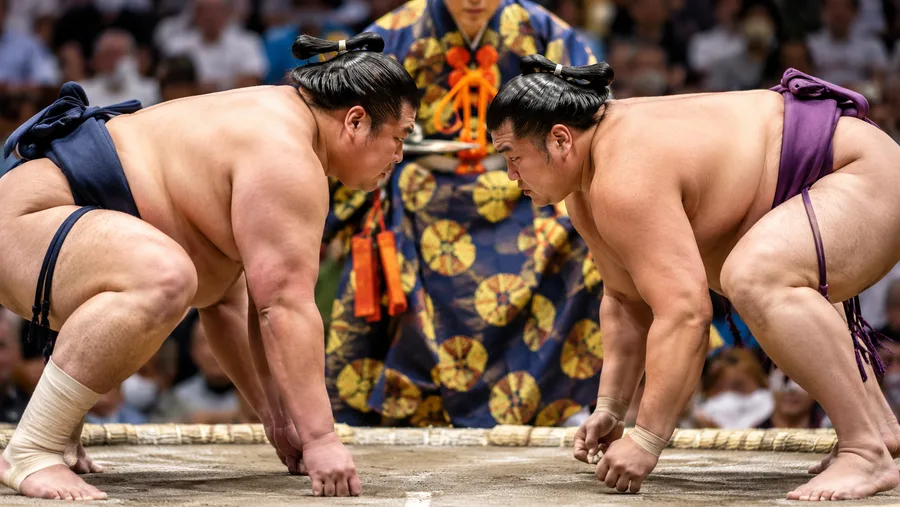
Between official tournaments, wrestlers pack up their mawashi belts and hit the road for jungyo. These regional tours take the sport to small towns and mid-sized cities across Japan, from snowy Akita down to sunny Okinawa. A jungyo sumo wrestling match feels much looser than a stiff tournament in Tokyo. The rikishi interact with the audience, sing traditional sumo songs called jinku, and put on lighthearted comedic bouts that illustrate common rule infractions.
Tickets for regional tours are usually handled by local municipal community centers or regional ticket agencies rather than the main Tokyo ticket offices. If you find yourself in a city like Nagano or Shizuoka on a random Tuesday in October, check the Japan Sumo Association's official tour schedule. Foreign visitors rarely know these tours exist, so you might be one of only five tourists inside a packed municipal gymnasium cheering on a yokozuna.
Book your sumo wrestling kyoto experience:
Tokyo and Kyoto Sumo Wrestling Shows and Dinner Experiences
What if you want to watch sumo wrestling, have a laugh, and actually touch the ring yourself? Over the last few years, dedicated entertainment venues have opened up in major tourist hubs to fill the void when tournaments are out of town. These are not solemn religious rituals. They are high-energy, tongue-in-cheek shows designed squarely for travelers who want fun, photos, and hearty food.
Places like Sumo Hall Hirakuza in Osaka or the various sumo entertainment venues around Asakusa in Tokyo feature retired professional wrestlers. You get an English explanation of the moves, followed by live demonstration matches where the wrestlers deliberately toss each other into theatrical backward somersaults. Afterward, audience members can put on padded suits and step onto the clay to push a 300-pound retired athlete across the boundary line. If you are traveling down south, check out our guide on Kyoto sumo wrestling shows, dinners, and experiences for places operating near the old capital.
These entertainment venues almost always serve a meal centered around chanko nabe, the protein-heavy stew that fuels wrestler bulk. It is usually chicken broth loaded with meatballs, tofu, cabbage, and mushrooms. Is it authentic high-stakes competition? Absolutely not. But honestly, if you have young kids or you cannot sit cross-legged on a floor for ninety minutes without your spine aching, this is easily the most relaxed way to see sumo in Japan.
Comparing Your Sumo Options in Japan
Every option has tradeoffs in price, comfort, and schedule availability. Picking the right one depends heavily on whether your travel dates happen to match the tournament calendar.
| Experience Type | Approx. Cost (Yen) | Best For | Key Limitation |
|---|---|---|---|
| Grand Tournament (Honbasho) | 4,500 - 15,000 | True competition and genuine crowd energy | Only 6 times a year for 15 days each |
| Morning Practice Stable Visit | Free - 11,000 | Intense, up-close look at real training | Requires absolute silence and floor sitting |
| Regional Tour (Jungyo) | 6,000 - 13,000 | Travelers outside major cities | Dates jump around constantly; hard to track |
| Sumo Restaurant / Dinner Show | 9,000 - 16,000 | Families, food lovers, flexible schedules | Staged performance by retired athletes |
If your budget is tight, wandering Ryogoku in Tokyo during tournament month is worth doing even without stadium tickets. The whole neighborhood smells faintly of hair pomade. You will pass giant men in lightweight yukata robes riding bicycles down narrow alleys, and local restaurants set out steaming pots of chanko right onto the street corner.
Frequently Asked Questions about where to watch sumo wrestling in japan
Can you watch sumo wrestling in Japan year-round?
Official tournaments only happen every odd month for fifteen days at a time. During even months, you can still see active athletes by visiting morning practice at a stable or catch exhibition bouts through tourist dinner shows in Tokyo and Osaka.
How early should I book tickets for an official sumo match?
Official ticket sales open roughly one month before the first day of each tournament. Popular days like the opening Sunday and the final weekend sell out within minutes, so you should create an account on the ticketing platform ahead of time.
Is it rude to leave an official tournament early?
No, you can enter and leave the stadium arena whenever you like. Most local fans don't even arrive until 3:00 in the afternoon when the highest division matches begin, leaving after the bow-twirling ceremony wraps up around 6:00.
Quick Reference
- Official basho tournaments happen six times per year
- Tokyo hosts basho in January, May, and September
- Arashio stable offers free street-side window viewing
- Stable morning practice requires complete silence
Book your sumo wrestling kyoto experience:
The Bottom Line
If you can align your flights with an official tournament week in Tokyo or Osaka, do it without hesitation. Standing among 10,000 screaming locals while purple cushions fly through the air after a grand champion gets thrown is one of the wildest sporting spectacles on earth. But if the calendar works against you, book a morning practice tour or grab dinner at a demonstration hall. Seeing these athletes up close, even in a training ring, gives you an immediate respect for the pure physics of the sport.
Read more about sumo wrestling kyoto.