Kyoto Sumo Wrestling Shows, Dinners, and Experiences
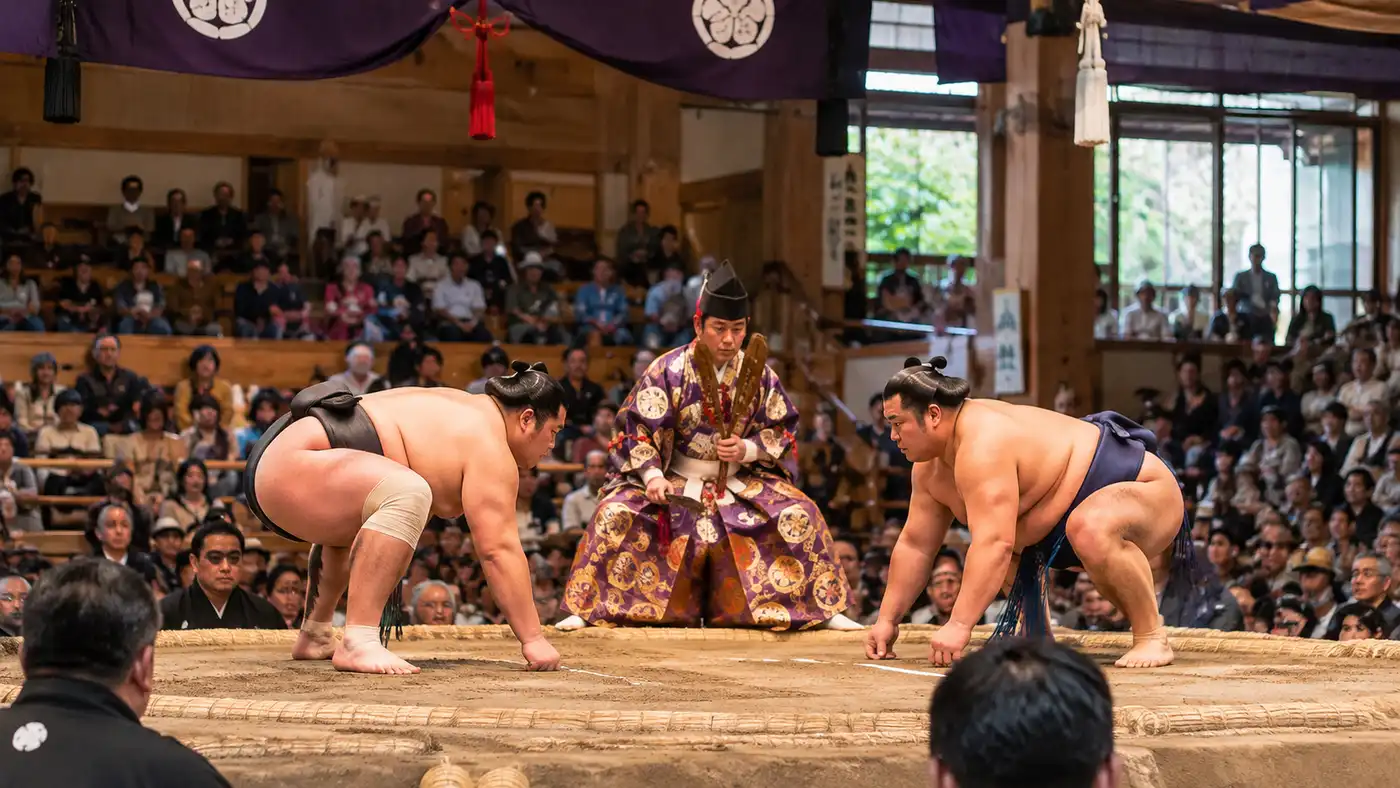
Most travelers come to Kyoto expecting silence. You walk through moss gardens at dawn, sip pale green tea in wooden teahouses, and dodge umbrella spokes along the stone lanes of Gion. Then you book an evening seat at a sumo wrestling show kyoto, and suddenly two massive men weighing 140 kilograms each crash into each other three feet from your table with a crack that rattles the ceramic sauce dishes.
Sumo holds a strange, electric place in Japan's cultural capital. Unlike Tokyo, where the sport revolves around rigid professional stables and solemn grand tournaments, Kyoto approaches sumo with a warmer, slightly more relaxed spirit. Over the last few years, a handful of high-energy dinner theaters and cultural ring experiences have sprung up across the city. Whether you want to eat steaming bowls of wrestler stew, learn the religious origins of the salt toss, or slip into an oversized padded suit to test your balance against a retired professional, Kyoto offers something you simply cannot get from the nosebleed seats of an arena.
Book your sumo wrestling kyoto experience:
What to Expect at a Kyoto Sumo Show
A typical kyoto sumo show is half sports demonstration, half theatrical feast. Because active professional wrestlers live under strict monastic rules in their stables, the men performing in Kyoto are almost always retired rikishi. Some reached the middle ranks of juryo, while others fought in makushita. They may not compete for the Emperor's Cup anymore, but their bulk is real, their technique is sharp, and their ability to command a room is astonishing.
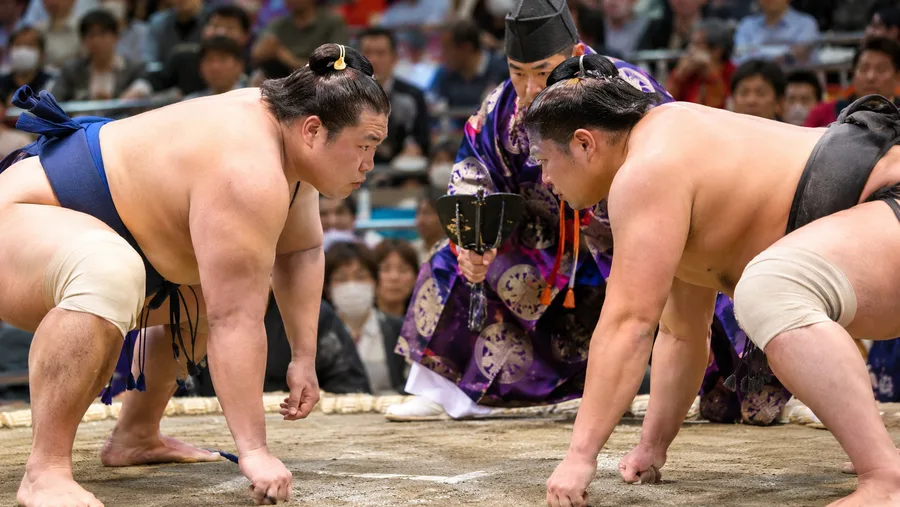
The performance usually kicks off with an explanation of basic rituals. You see the shiko leg stomps meant to drive bad spirits down into the earth. You watch the purification salt fly into the air. An English-speaking host or translator walks the crowd through the 82 winning moves recognized by the Japan Sumo Association. Then the atmosphere shifts. The wrestlers fight a series of exhibition matches at full speed. Seeing collisions up close feels terrifying. The floor shudders, sweat sprays, and the raw acoustic thump of bare skin hitting bare skin reminds you instantly that this ancient martial art is brutally physical.
Pro tip: Grab front-row counter seats if you want the full sensory rush, but expect a stray splash of water or flying salt to land directly in your soup bowl.
Humor plays a large part too. Many shows incorporate shokkiri, a comedic performance style dating back centuries that exaggerates illegal moves like hair-pulling, kick-fighting, and hiding behind the referee. It lightens the mood before the hosts ask for volunteers from the audience.
Kyoto Sumo Club and the Top Interactive Ring Experiences
If you search for a dedicated kyoto sumo wrestling show, the most prominent name you will come across is Kyoto Sumo Club. Tucked away within easy reach of the central shopping districts, venues like this operate as dedicated entertainment halls built specifically around a raised clay ring, or dohyo.
The interactive segment is where people either find their courage or lose their dignity. Guests who volunteer are given thick foam suits or soft mawashi belts to wear over their street clothes. You step onto the dirt, stare down a former professional who is grinning broadly, and try to shove him across the straw boundary rope. He will not move an inch until he decides to let you win. It sounds gimmicky, yet everyone in the room ends up laughing and cheering so loudly that you forget your jet lag entirely.
A few independent operators across the city run similar programs with slightly different vibes:
- Kyoto Sumo Club: The premier venue focused on high-production shows, multi-course dinners, and full audience participation inside a purpose-built theater.
- Cultural Dojo Matinees: Afternoon sessions held in traditional wooden martial arts dojos, emphasizing history, technique breakdowns, and photography over heavy meals.
- Pop-up Izakaya Exhibitions: Intimate seasonal events hosted in private dining rooms where two retired rikishi demonstrate basic techniques right beside the tables.
Do not expect a functional, active kyoto sumo stable here. Active training houses are concentrated heavily in Tokyo. If someone advertises a stable visit in downtown Kyoto, it is almost certainly a retired exhibition space or a promotional pop-up. Knowing that ahead of time saves you from unrealistic expectations.
Chanko Nabe: The Real Feast of the Rikishi
No sumo dinner kyoto is complete without chanko nabe. This hearty, protein-packed hot pot has fueled Japanese wrestlers for hundreds of years, and cooking it is practically an art form in itself.
The broth usually starts with rich chicken stock. Wrestlers avoid beef and pork on tournament days because a chicken walks on two legs, representing a wrestler staying upright, while a four-legged animal touches the dirt, which represents defeat. The pot arrives piled high with chicken meatballs, sliced pork belly, cabbage, shiitake mushrooms, leeks, and deep-fried tofu. As the soup simmers over portable burners at your table, the flavors deepen into something rich, comforting, and deeply satisfying.
Note: Most venues require advance notice for dietary restrictions, and while vegetarian broths are becoming common, traditional chanko almost always relies on fish dashi and chicken bases.
I think the communal nature of the meal is what makes it work so well. You sit at low tables or long counters, ladle steaming broth into your small bowl, and chat with travelers from across the world while the wrestlers mingle between tables. Most shows include a photo session after dinner. Standing next to someone whose thighs are thicker than your chest gives you a whole new perspective on human anatomy.
Book your sumo wrestling kyoto experience:
Comparing Kyoto Sumo Experiences and Ticket Options
Prices vary depending on whether you want a bare-bones afternoon demonstration or an all-inclusive evening with premium drinks and wagyu beef additions. Choosing the right fit depends on your budget, travel party, and how close you want to get to the dirt.
For travelers deciding where to watch sumo in Japan, Kyoto sits squarely in the entertainment category rather than the solemn tournament category. If you want official professional bouts, you need to ride the train 45 minutes south to Osaka during the March Grand Tournament. If you want entertainment, great food, and a chance to step into the ring yourself, Kyoto is unmatched.
| Experience Type | Average Cost (JPY) | Duration | Food & Drinks | Best For |
|---|---|---|---|---|
| Standard Dinner & Show | 14,000 - 18,500 | 2 hours | Full chanko meal + 1 drink | First-timers and families |
| VIP Front-Row Experience | 24,000 - 32,000 | 2.5 hours | Premium hot pot + free-flow drinks | Guaranteed ring participation |
| Afternoon Demonstration | 7,500 - 10,000 | 75 minutes | Green tea & light snack | Budget travelers with tight schedules |
| Osaka March Tournament Trip | 5,000 - 16,000 | Full day | Bento boxes sold separately | Purists seeking official bouts |
Smaller boutique shows hold around 30 to 45 guests, creating an intimate space where everyone gets a clear view. Larger dinner theaters seat upwards of 80 people. If you dislike loud, rowdy rooms, look for early matinee time slots on weekdays, which tend to draw quieter crowds.
Booking Sumo Wrestling Tickets Kyoto for 2025 and 2026
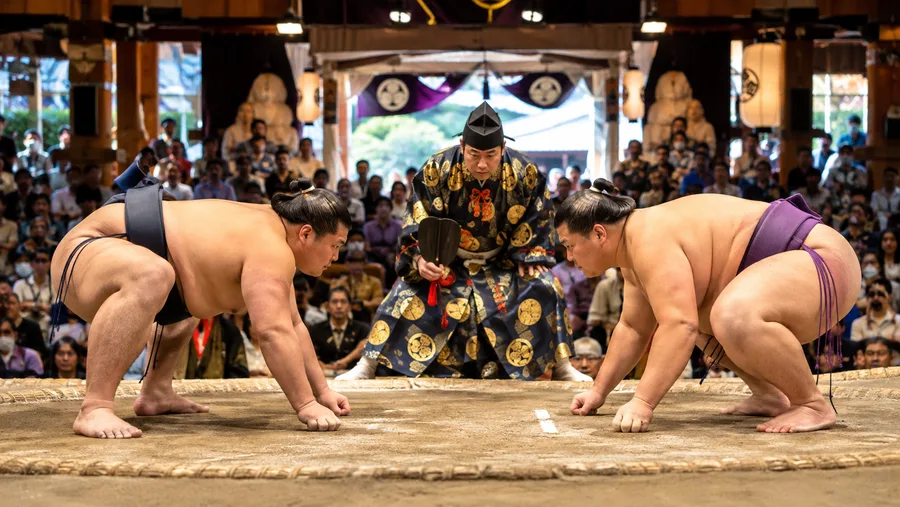
Securing sumo wrestling kyoto tickets takes a bit of planning, especially if your trip coincides with peak travel seasons. Spring cherry blossoms in April and the fiery maple leaves of November flood the city with tourists, causing dinner shows to sell out two or three months in advance.
If you plan to attend a sumo show kyoto during the 2025 or 2026 travel seasons, follow these practical booking steps:
- Book through official venue portals: Third-party ticket brokers often tack on steep processing fees ranging from 2,000 to 4,500 yen per seat.
- Watch the 60-day window: Most Kyoto venues release their calendar dates roughly two months prior to the first of each month.
- Consider weekday matinees: Friday and Saturday evening slots disappear instantly, but a Tuesday afternoon demonstration usually has open mats.
- Combine with nearby sightseeing: Most venues operate near the Kawaramachi, Gion, or Kyoto Station hubs, making them easy to pair with an afternoon temple walk.
Prices have crept up slightly over the past year due to soaring ingredient costs for fresh chanko nabe, but the value remains solid considering you get an evening meal, cultural history, and two hours of live athletic theater rolled into one ticket.
Frequently Asked Questions about sumo wrestling show kyoto
Are there active sumo stables located in Kyoto?
No, there are no active professional sumo stables operating permanently in Kyoto. Almost all professional stables belong to the Tokyo area. The shows and experiences in Kyoto feature retired professional wrestlers who run educational and entertainment-focused programs.
Can children participate in the ring during a Kyoto sumo show?
Yes, most venues welcome children warmly. Wrestlers frequently invite kids into the ring for gentle, fun bouts where the rikishi play along and dramatically let the child push them out of the ring, making it a great family activity.
How far in advance should I reserve tickets for 2025 and 2026?
You should book at least four to six weeks in advance for regular weekdays, and up to three months ahead if you plan to visit during cherry blossom season in spring, autumn foliage season, or major holiday weeks like Golden Week.
What is the dress code for a sumo dinner show?
Casual, comfortable clothes are fine. If you hope to volunteer and step onto the clay dohyo, avoid tight skirts or delicate clothing, and wear socks since shoes are strictly forbidden on the ring surface.
Quick Reference
- Show duration: 75 to 120 minutes
- Average ticket price: 15,000 JPY with dinner
- Nearest official Grand Tournament: Osaka (March only)
- Wrestler status: Retired professionals (former rikishi)
- Dress code: Casual (socks required for the ring)
Book your sumo wrestling kyoto experience:
The Bottom Line
You will not find solemn grand champions competing for historical titles in Kyoto. What you will find instead is infectious laughter, genuine hospitality, and the surprising warmth of giant men who have dedicated their entire youths to an uncompromising craft. Eating chanko nabe while watching former professionals slam into the clay feet away from your bowl is easily one of the most memorable evenings you can have in Kansai. Reserve your tickets early, bring an empty stomach, and do not hesitate to raise your hand when they ask who wants to get in the ring.
Read more about sumo wrestling kyoto.